March 17 – April 25, 2026
Opening. March 17 2026, at 7 PM
Artist: Johanna Binder
Curator: Anežka Januschka Kořínková
Production, management, PR: Stanislav Kubáň
Photo credits: Mikuláš Mahr
In the mid-nineteenth century, Ascension Island—located in the remote South Atlantic and serving today as a strategic military and communications hub—became the site of a landmark environmental experiment by the British Empire. The colonial administration launched an acclimatization project designed to transform its arid, volcanic landscape into a more habitable environment. This ambition was facilitated by the Empire’s vast infrastructure: a network of botanical gardens, herbaria, and shipping routes that linked colonies to centers of knowledge, enabling the global transfer of seeds and saplings. Central to this planning was a professional exchange between Charles Darwin and the botanist Joseph Dalton Hooker. Ascension was conceived as a laboratory where, through species translocation, selection, and long-term cultivation, the microclimate, soil conditions, and vegetation cover could be fundamentally altered. The result was a new type of ecosystem—one born not of co-evolution, but of deliberate composition.
Austrian artist Johanna Binder’s long-term research project, of which the exhibition Becoming Islanders is a part, interprets Ascension Island as a paradigmatic case of environmental engineering within the imperial context. However, Binder does not treat this history merely as an illustration; she uses it as a methodological tool to examine how ecological interventions are legitimized through classification, expert authority, and institutional decision-making. Simultaneously, she proposes a speculative ecology based not on efficiency, but on relationships, coexistence, and the mutual responses of organisms within a newly assembled environment. Within this framework, she works with the concept of ecological fitting—describing situations where species without a shared evolutionary history manage to assemble into a functional community with open-ended dynamics.
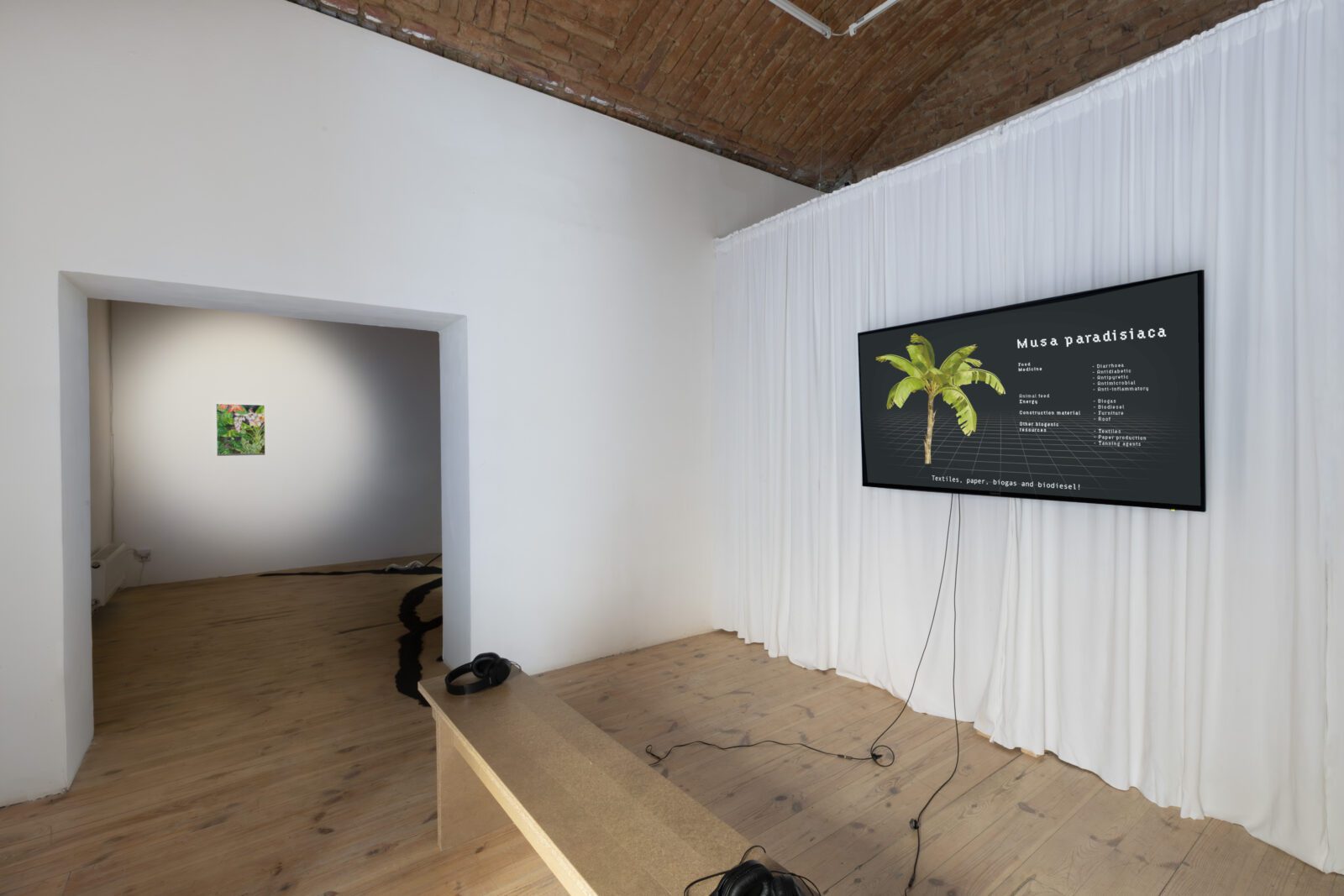
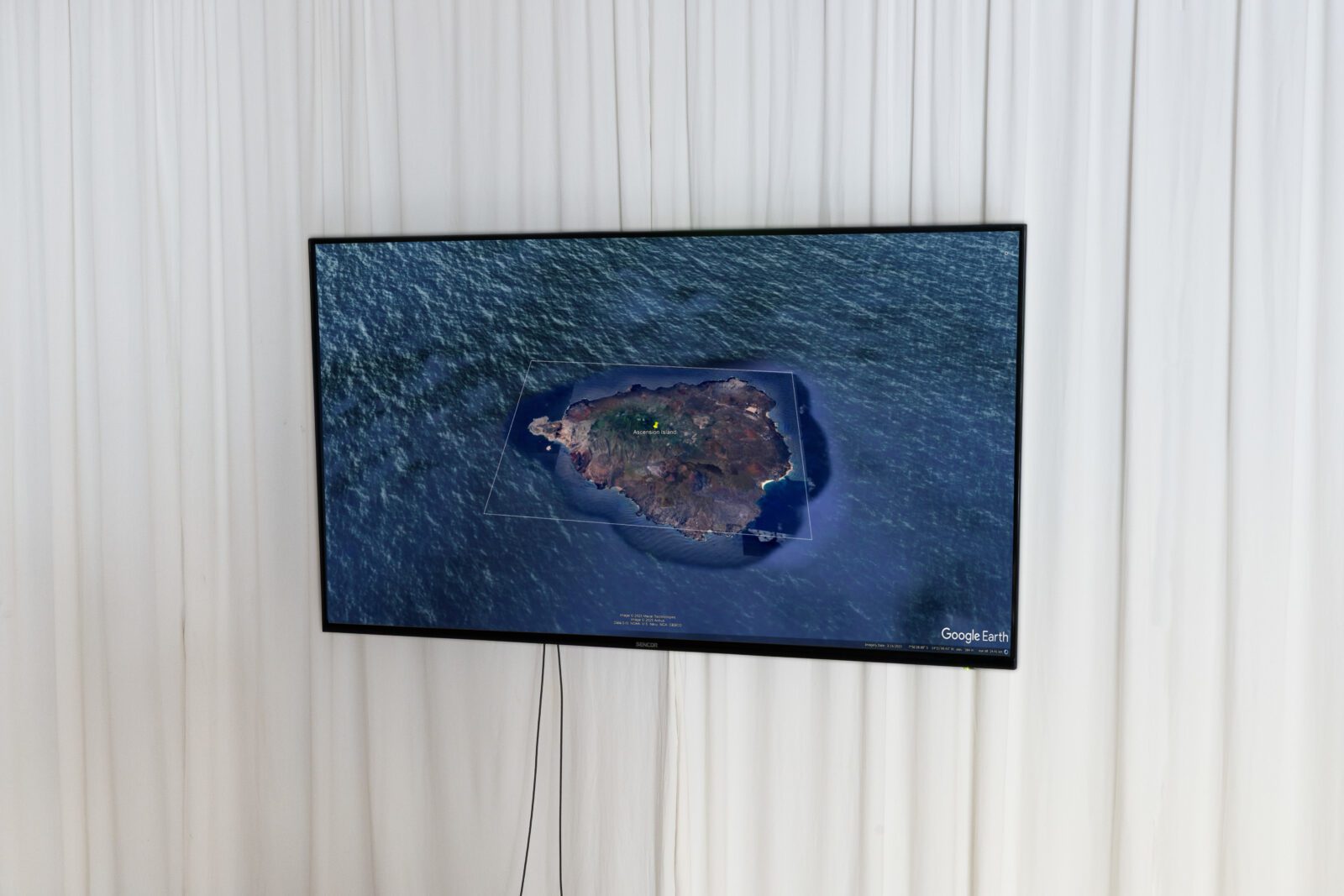
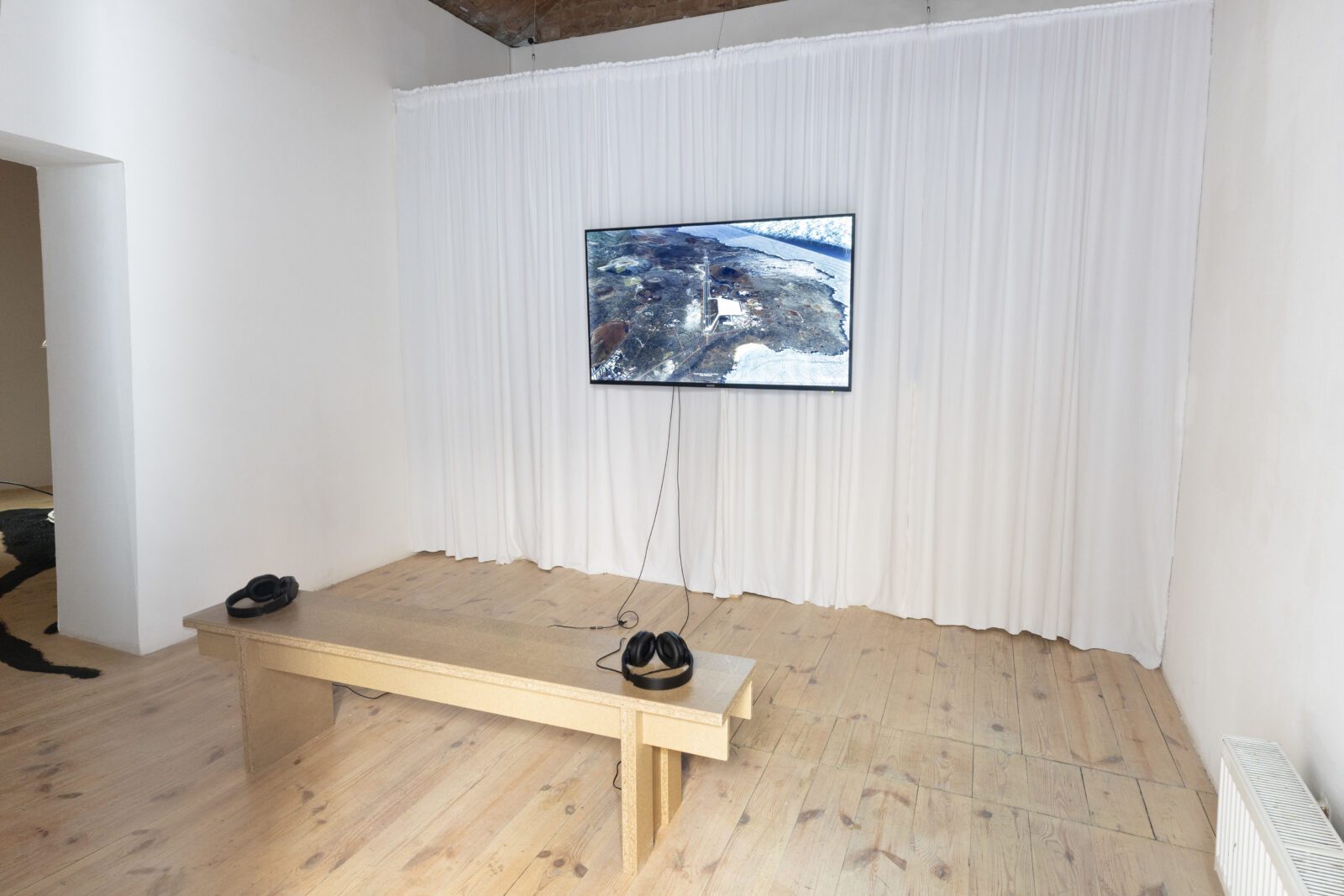
The video Ascension: Blossoms of Power, presented in the first room, serves as the research axis of the exhibition. Adopting the “making-of” film format, it utilizes digital cartography, archival layers, and speculative narration to demonstrate that the island is not just a geographical object, but a constructed image. The work is conceived as a staged digital reconstruction of the island and its acclimatization project. Across three chapters, it combines screen interfaces, satellite views from Google Earth, and botanical databases to map out species configurations and their intended environmental functions. Historical facticity is continually interwoven with speculative methods, highlighting that the landscape is both a material reality and a product of modeling and governance. The final section shifts the narrative from the perspective of human management to that of the plant community, articulated as a collective voice.
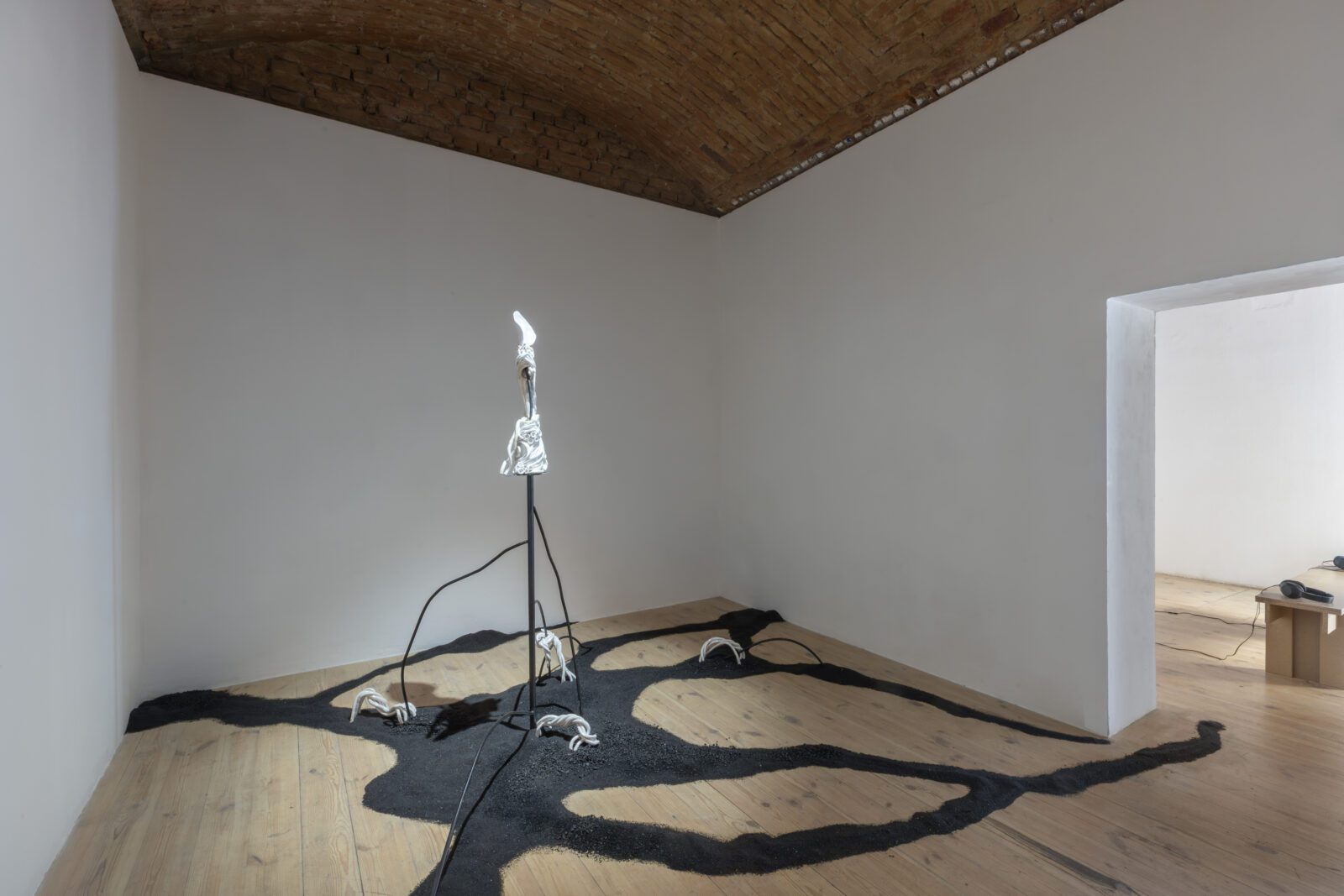
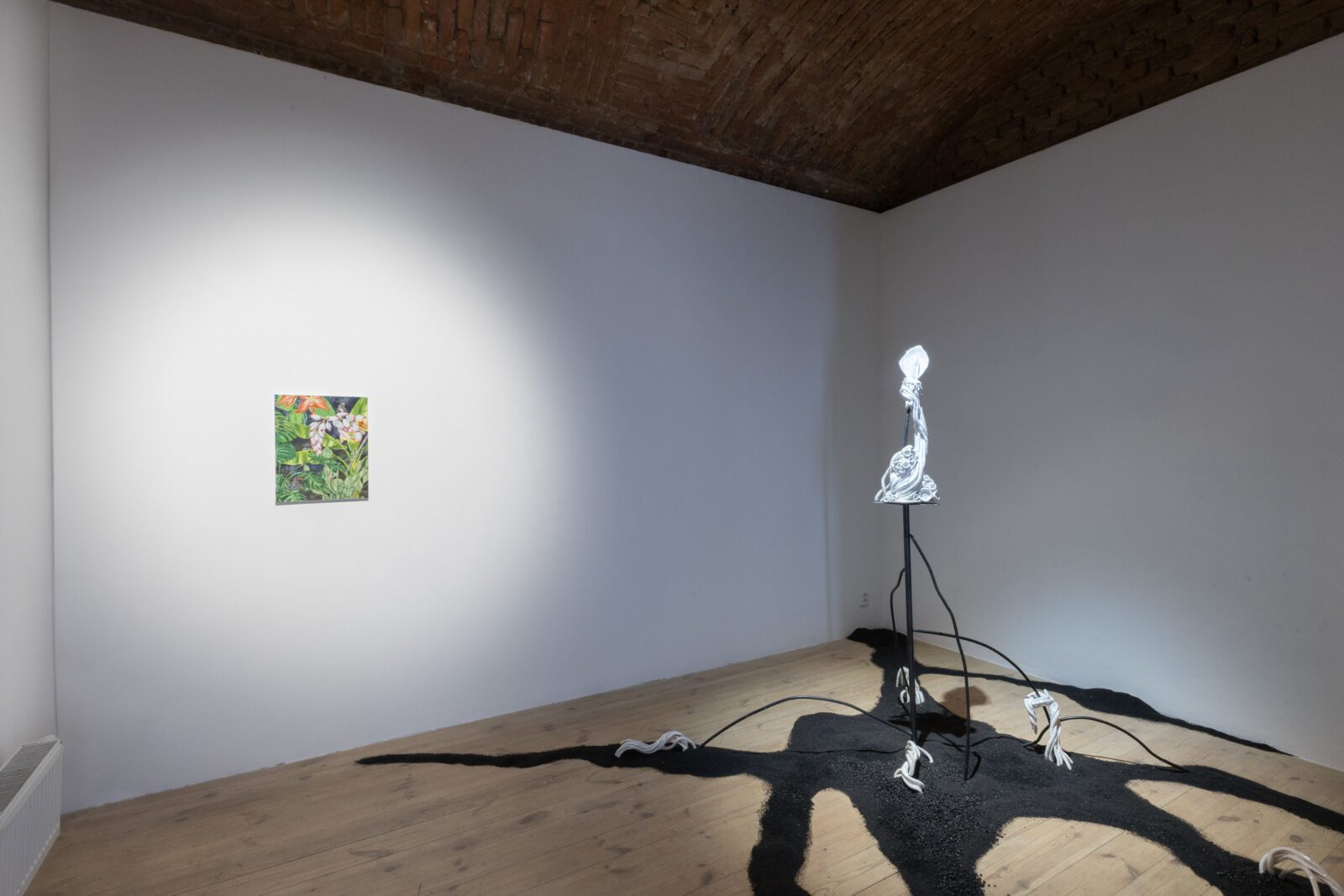
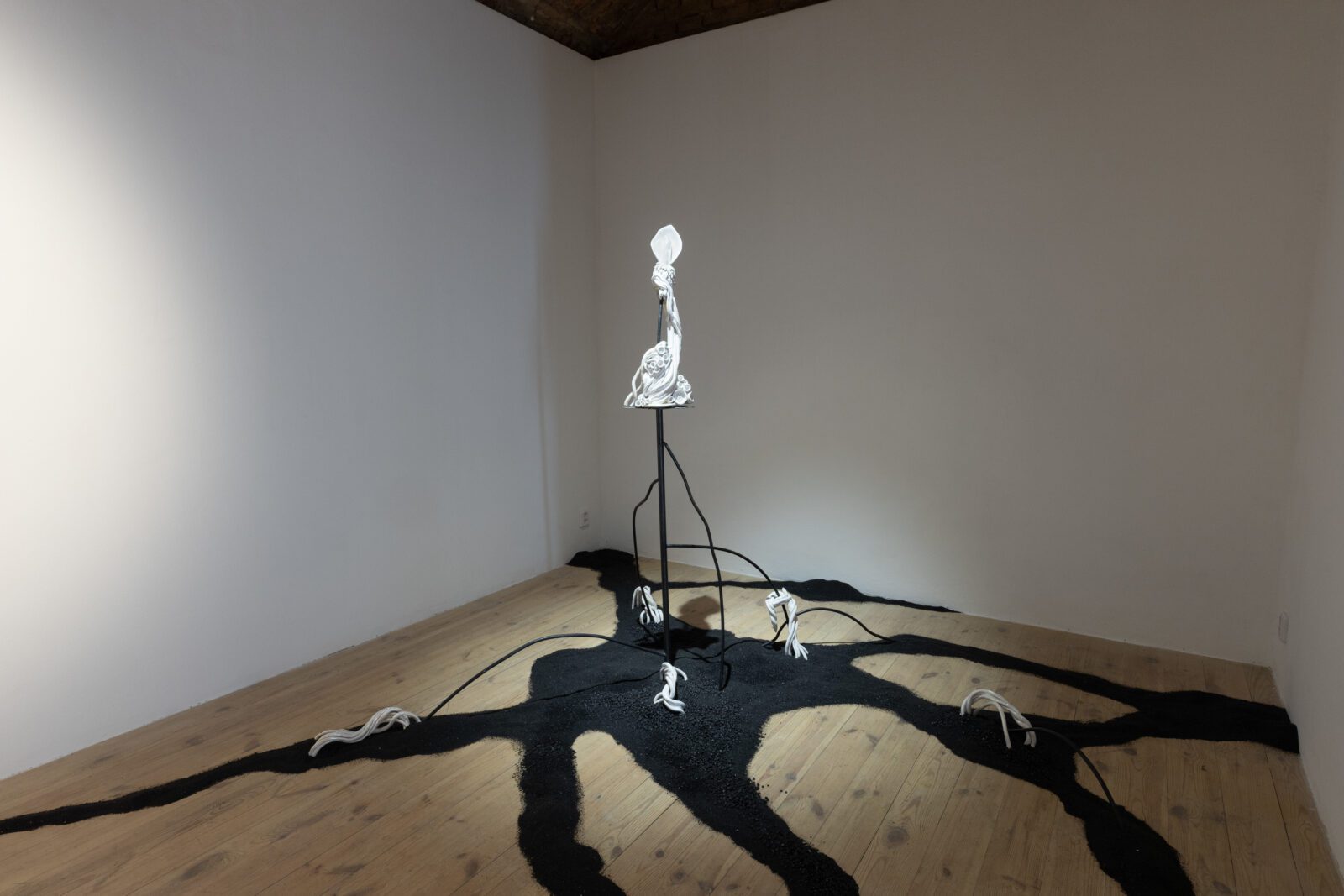
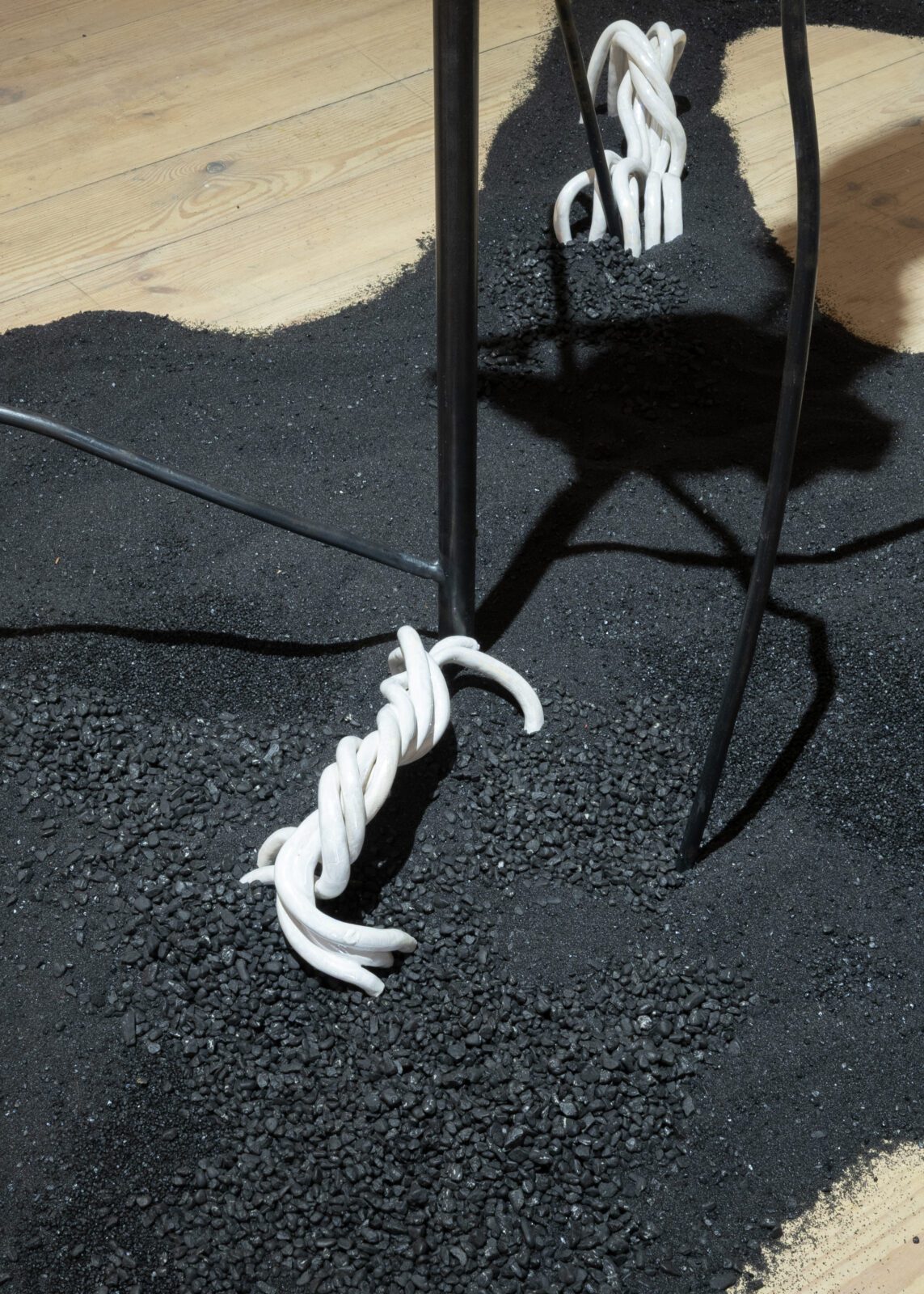
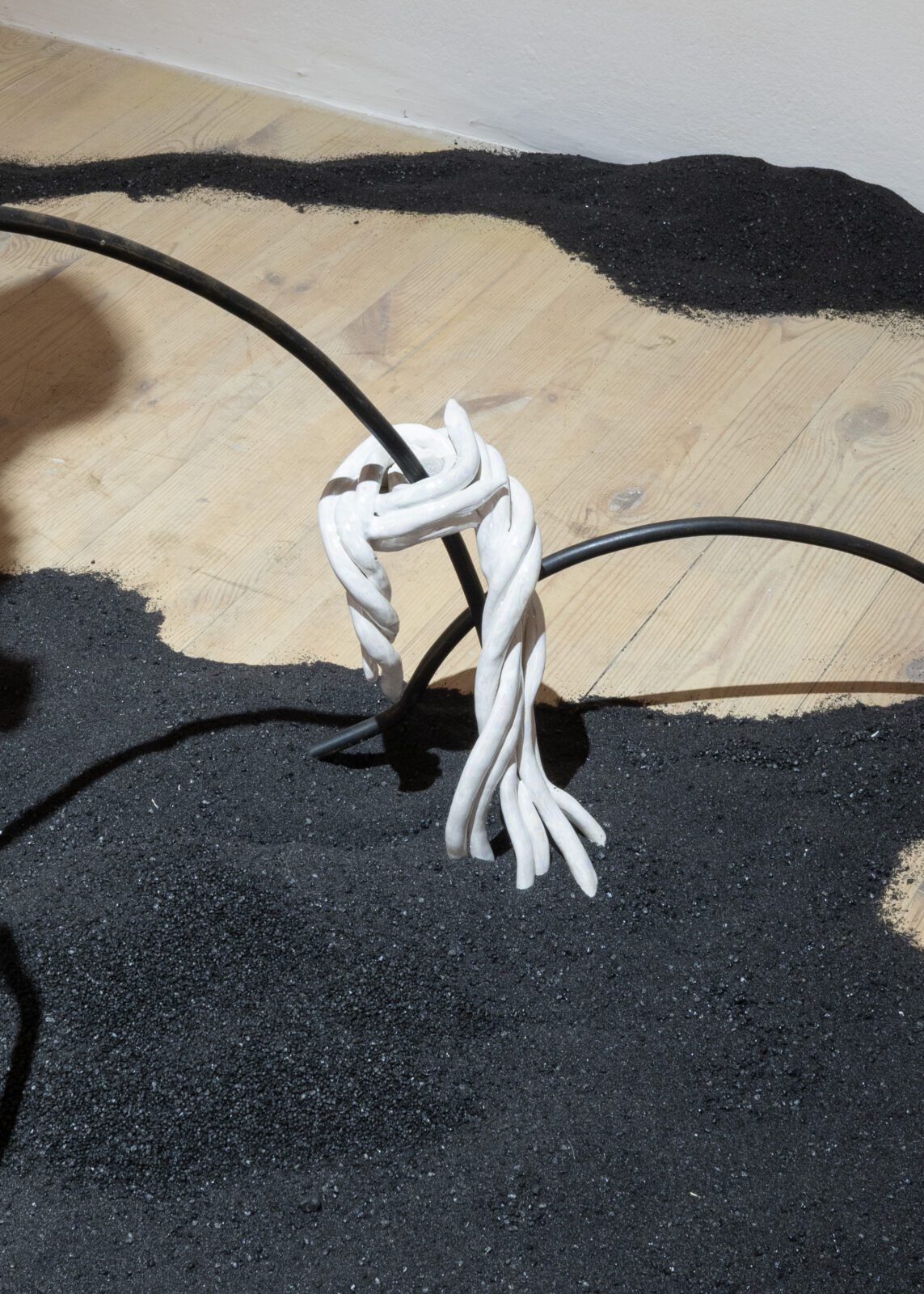
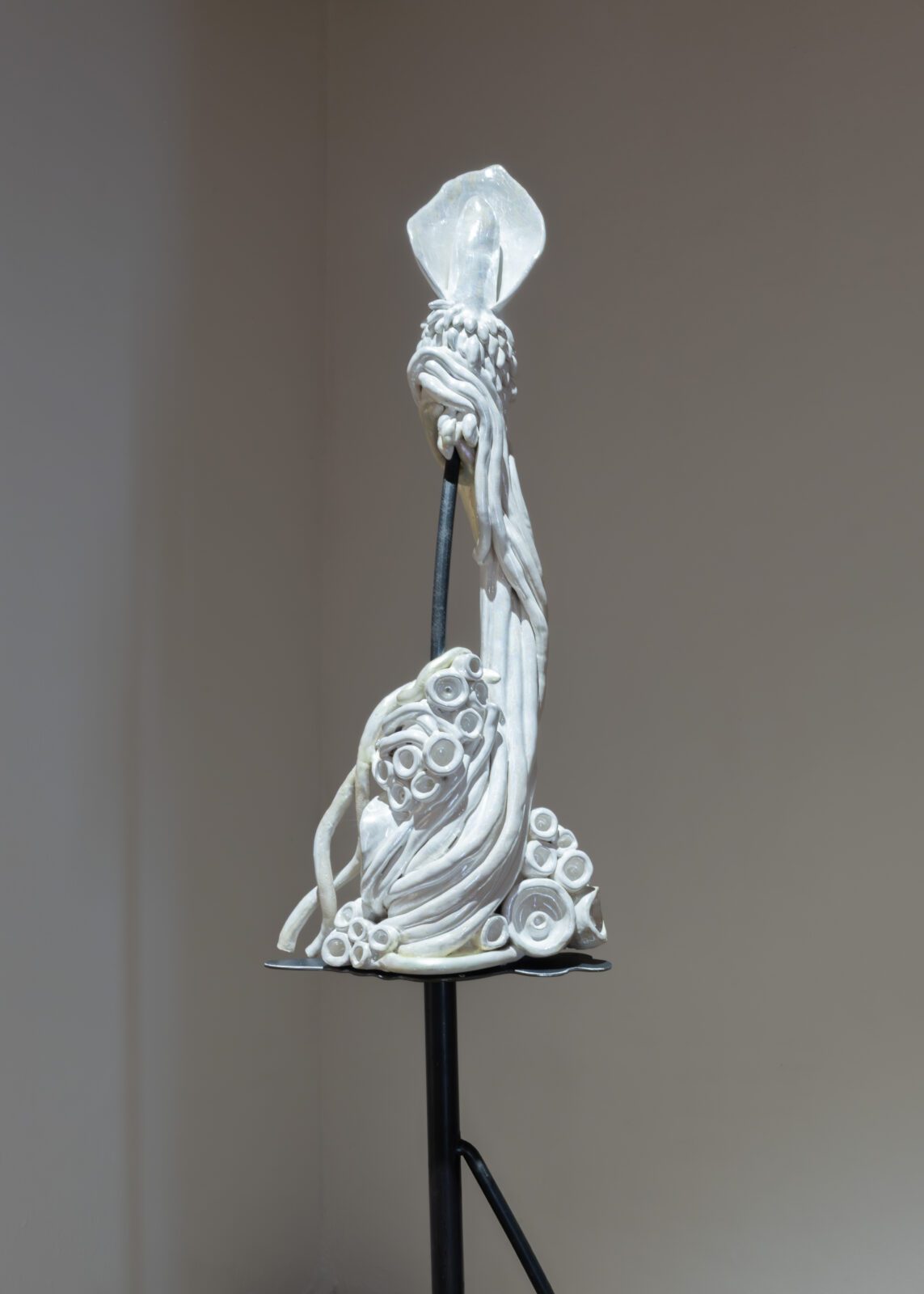
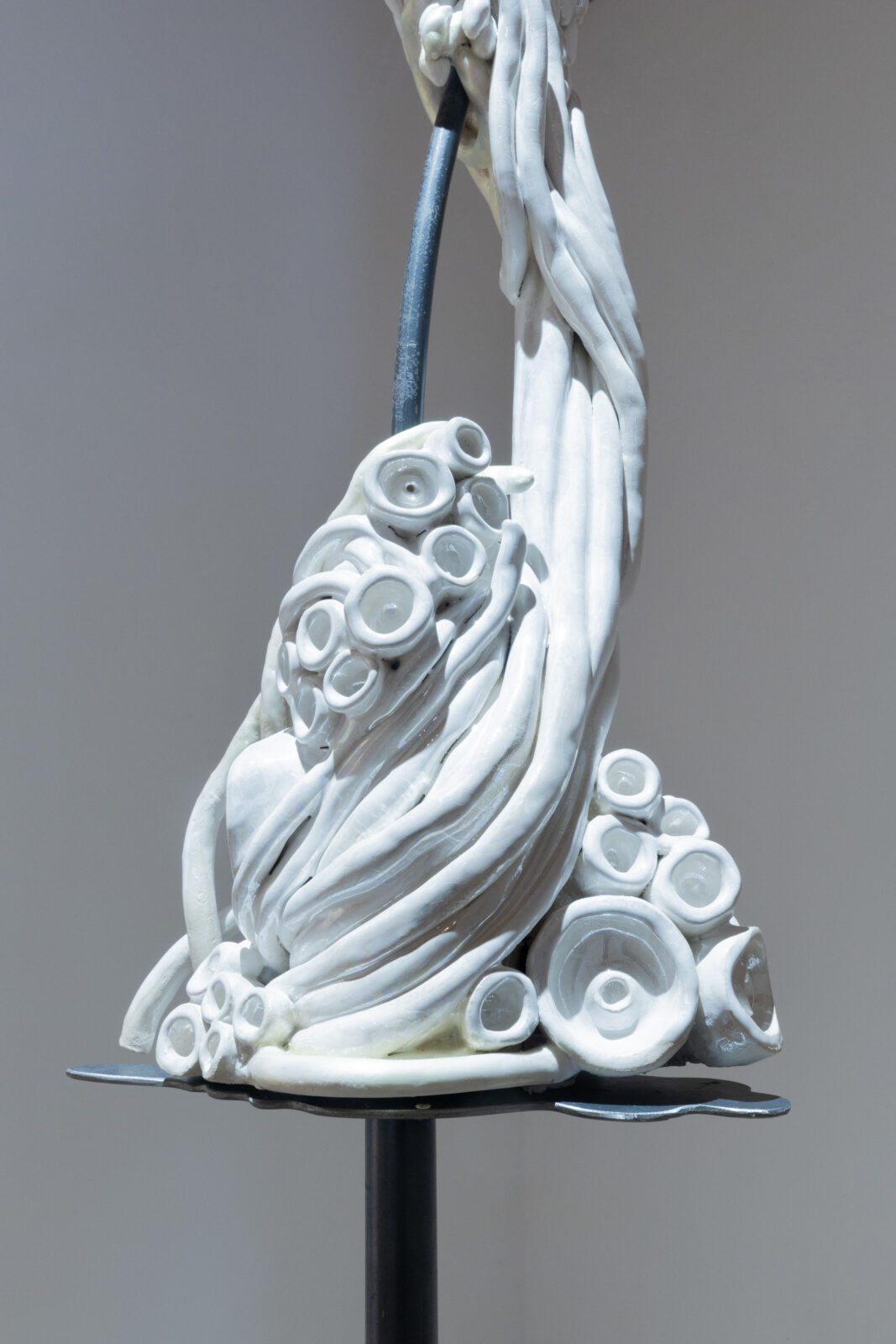
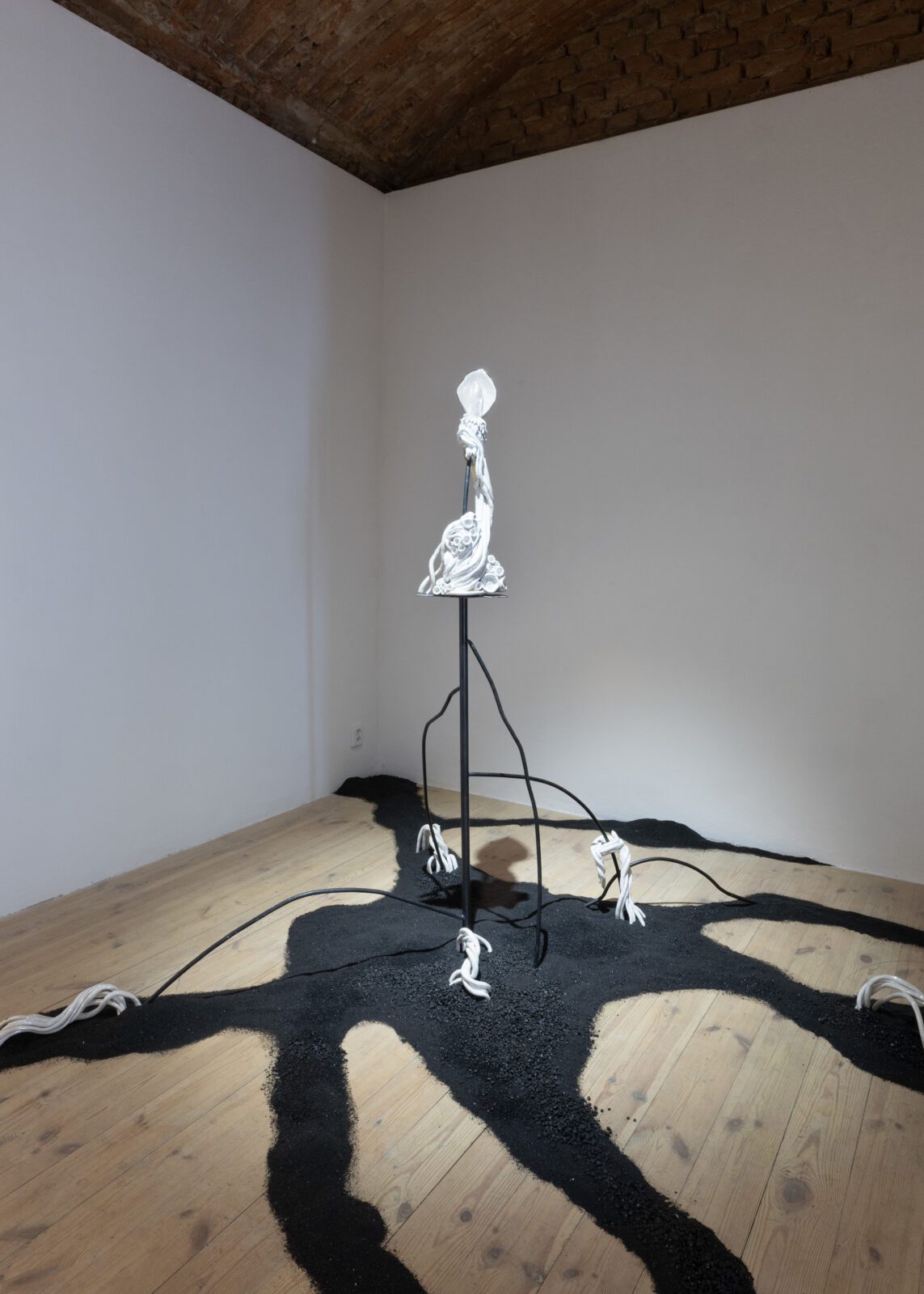
This perspective is extended into the spatial installation, centered on the hybrid ceramic sculpture Talking Land, mounted on a subtle metal structure. The sculpture’s form merges characteristics of various plant types into a single, unidentifiable entity, referencing both the introduction of species and the artificial composition of communities. On the floor, a dark, branching trace spreads outward, reminiscent of a root network or a soil profile without a single center. The work engages with the concept of a rhizomatic root system—non-hierarchical and decentralized, existing as a field of nodes and offshoots. If one part is severed, the growth and flow do not cease but are redirected; here, the rhizome embodies ultimate resilience.
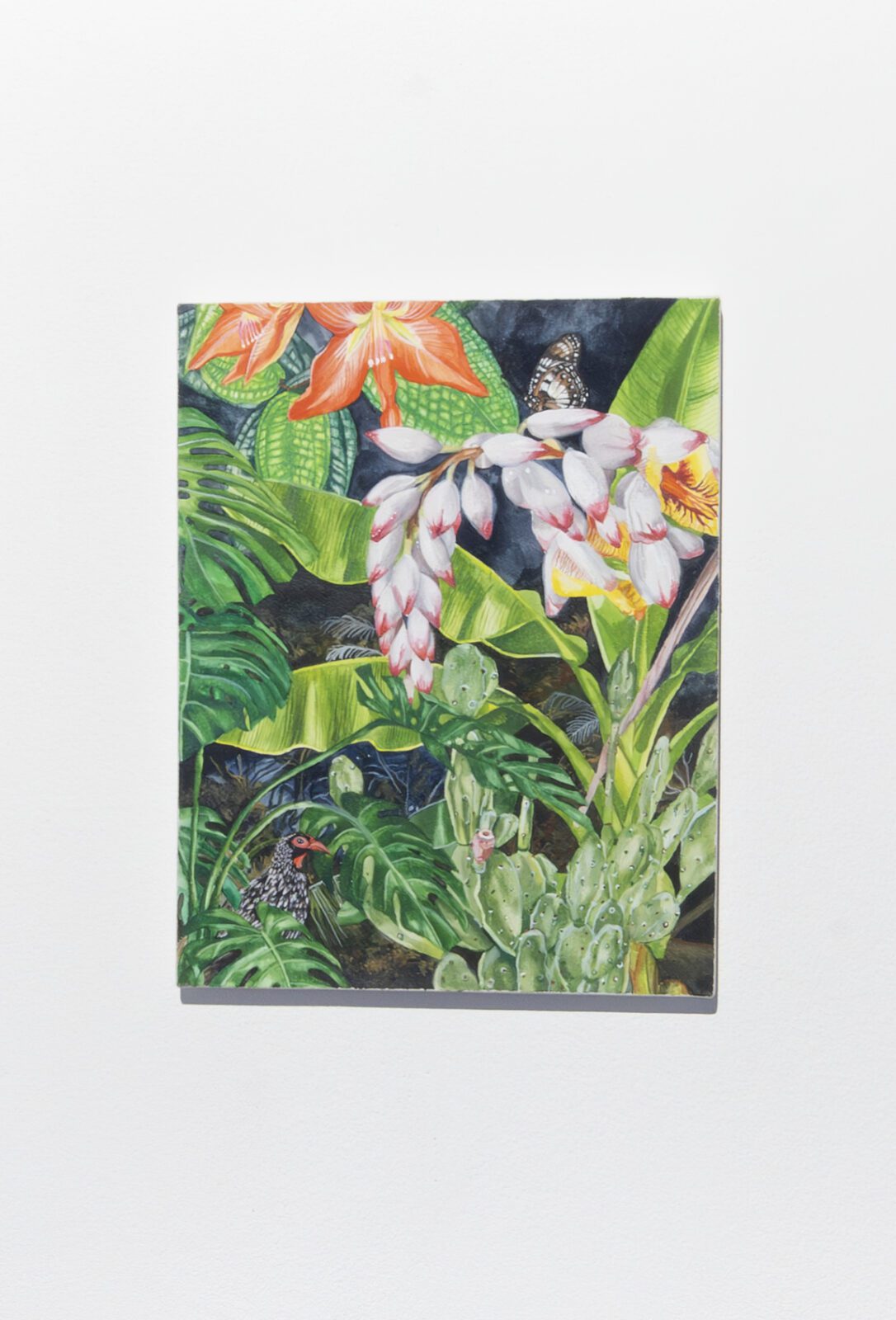
Talking Land is accompanied by a soundscape incorporating the acoustic signatures of five selected plants—Musa paradisiaca, Alpinia zerumbet, Coffea arabica, Araucaria heterophylla, and Monstera deliciosa. These recordings capture the plants in various states: during rain, drought, wind, or when facing nutrient deficiencies and environmental disturbances. In collaboration with a sound engineer, these expressions are translated into an audible format, making the shifting relationships within this newly composed community palpable.
The exhibition project thus unveils a quiet portrait of a living space of relations, one that is gradually emancipating itself from human control. The question is no longer what humans can do to the landscape, but what the landscape is communicating to us. Binder demonstrates how plants, though instrumentalized, have become active agents. This shift offers a different interpretation of ecology: not as an object of control, but as a shared process of becoming and transformation.
BIO:
Johanna Binder (*1985) studied painting and animation film at the University of Applied Arts Vienna/AT from 2007-13. Since 2023 she is a PhD candidate for artistic research at the Mozarteum Salzburg/AT. From 2018-19 she was a scholar at the Leuphan Arts Program at the Leuphana University Lüneburg/DE and from 2016-17 at the Van Eyck Academie in Maastricht/NL. In 2024 she was awarded the Art Albina award and in 2022 the State Scholarship for Fine Arts and the Theodor Körner award. She has had numerous exhibitions in Austria and abroad, including 2025 at Fünfzigzwanzig, Salzburg/AT (solo), 2024 at the Museum der Moderne, Salzburg/AT, 2023 at Galerie Sophia Vonier, Salzburg/AT (solo), 2022 at Bildraum, Vienna/AT (solo), 2021 at Casa de Mono, Cali/COL, 2019 at Salzburger Kunstverein/AT (solo) and 2017 at Xiao Ying Art Museum, Beijing/CHN.
Credits: Mikuláš Mahr